At ESODC, the safety and wellbeing of our dogs, members, and instructors is a top priority. Recently we updated Club Rule #10, and this article explains what aggression is, why it happens, what yellow equipment means, and what members need to know.
Why Dogs Show Aggression
When dogs feel afraid, their first instinct is to move away (flight response). However, if they can’t escape — such as when on lead — they may switch to a fight response and react aggressively to protect themselves.
Sometimes warning signs are obvious – barking, hiding behind their owner, snarling, baring their teeth, etc. Other times it can be subtle and may include fearful body posture or attempts to retreat. In some cases, aggression occurs without growling or showing teeth.
Aggressive reactions can become self-rewarding for the dog. When a dog barks, lunges, or growls and the other dog moves away, the dog learns that the behaviour “worked.” From a dog’s perspective:
“If I lunge, snap or growl, the scary thing goes away.”
When a dog shows aggression, they may be:
- Overwhelmed or not coping
- Nervous, anxious, or scared
- Trying to create distance
- Attempting to escape
- In need of more space
Aggression is often driven by fear, anxiety, or stress, not bad behaviour.
What Aggression Might Look Like
Aggression can be displayed in many ways. At ESODC our definition is:
An aggressive dog is one that attempts or exhibits threatening or harmful behaviour such as growling, snarling, snapping, lunging, or biting toward a person or animal.
What Does Yellow Mean? 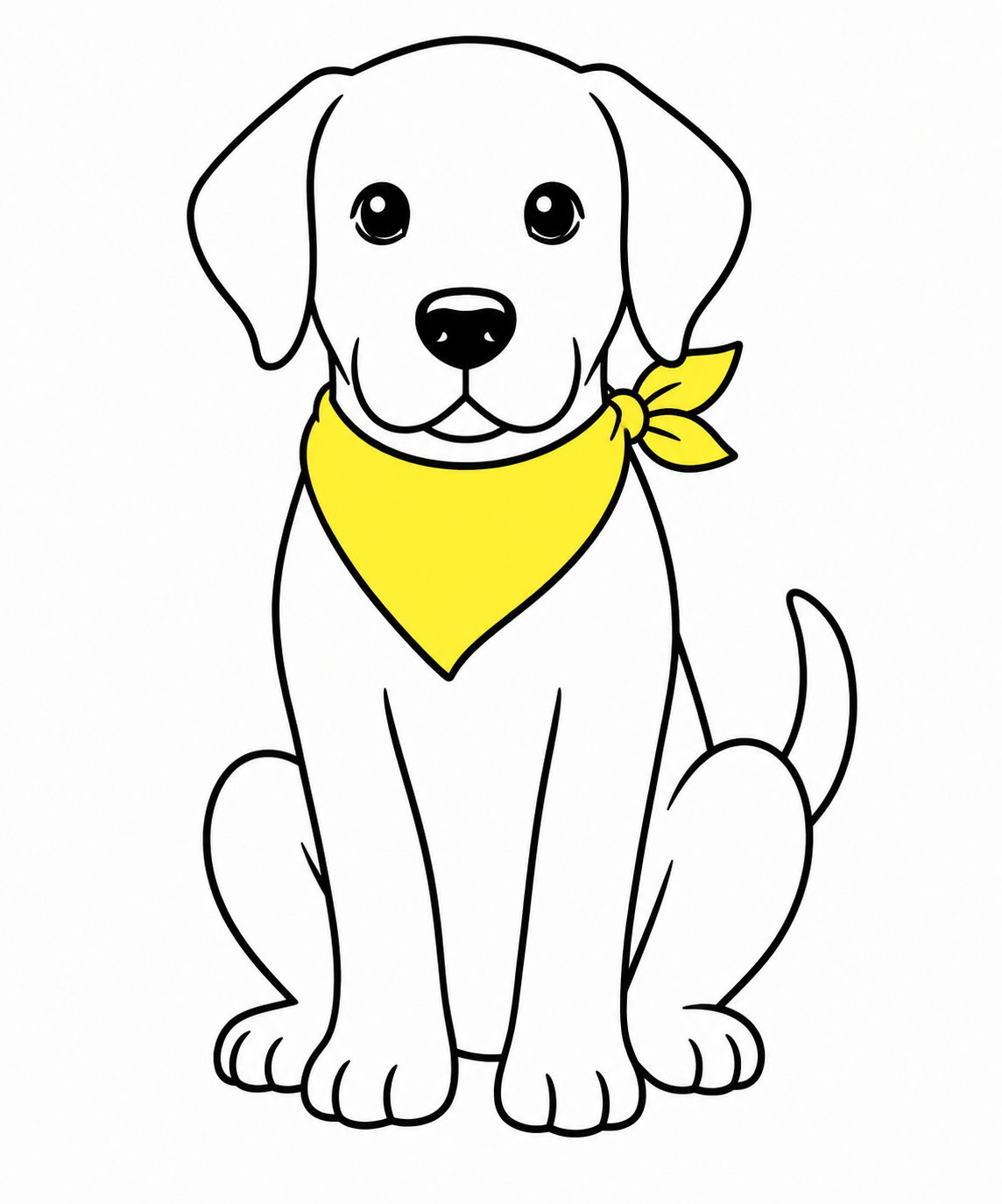
Yellow may indicate a dog that is:
- Nervous or fearful
- Protective
- Over-excitable
- Selective with other dogs
If you see a dog wearing a yellow bandana, lead, or coat give them space. Talk to the owner before you approach and respect their request.
Giving space is not only polite – it helps prevent stress and supports positive training outcomes.
Updated Club Rule #10



